Discover Parrots. Find Your Next Companion. Learn to Breed Responsibly.
Explore parrot eggs, discover available parrots—including grown and trained birds—and learn about species, incubation, and responsible aviculture through our educational resources.
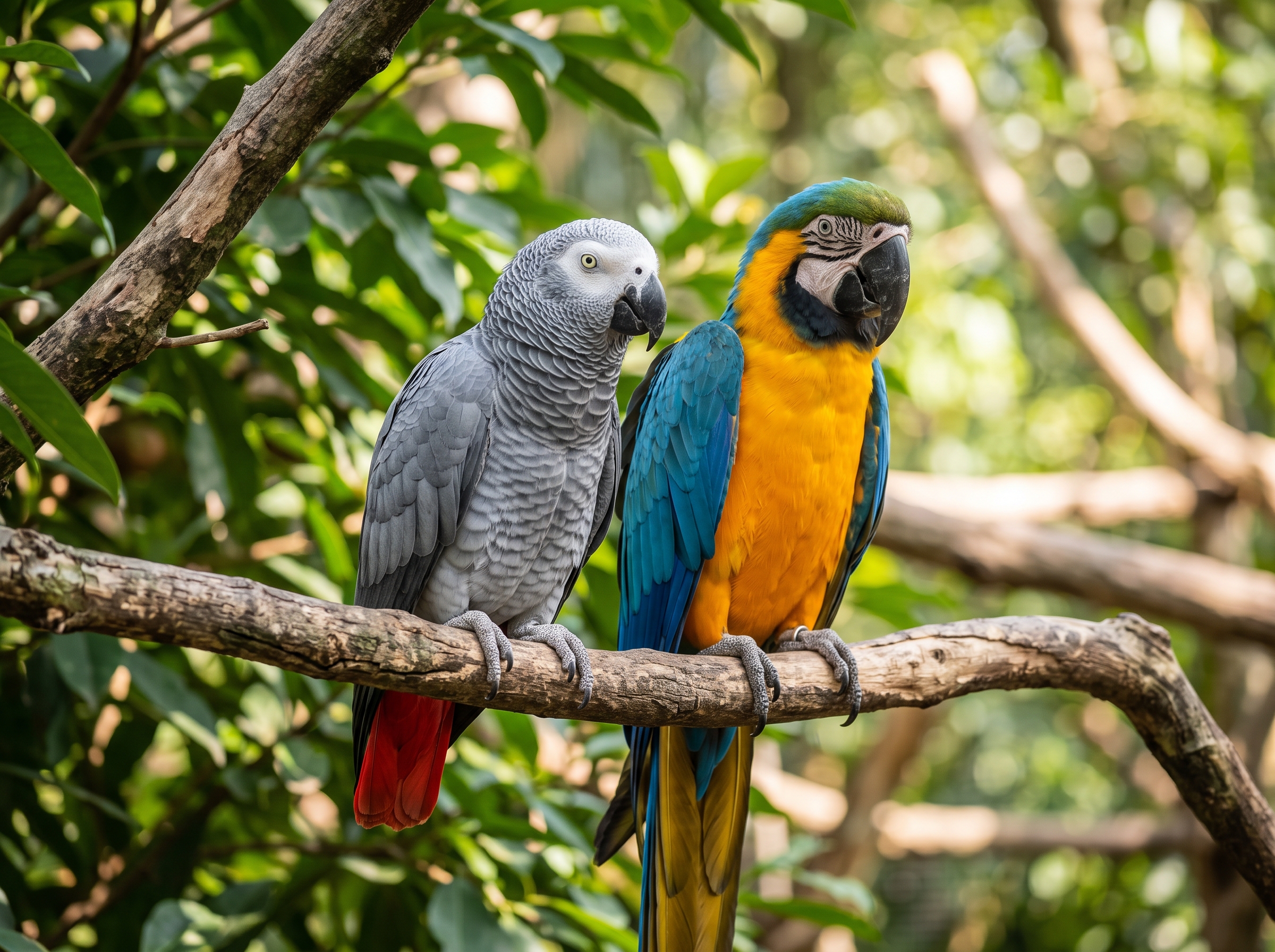
Dedicated to Healthy Birds & Informed Aviculturists
At Parrot Eggs Hatchery, our focus extends beyond offering fertile eggs and healthy companions. We aim to foster responsible ownership, maintain high husbandry standards, and provide educational guidance at every stage of your avicultural journey.
Responsible Standards
We prioritize clean environment controls, balanced diets, and structured welfare protocols for all parent stock and young parrots.
Educational Resources
Access practical guides on incubation parameter monitoring, hand-rearing techniques, species traits, and nutritional planning.
Companion Guidance
We help match prospective parrot keepers with species suited to their experience level, lifestyle, and home environment.
Explore Featured Parrot Species
Discover the unique characteristics, intelligent traits, and nutritional care requirements across our popular parrot families.
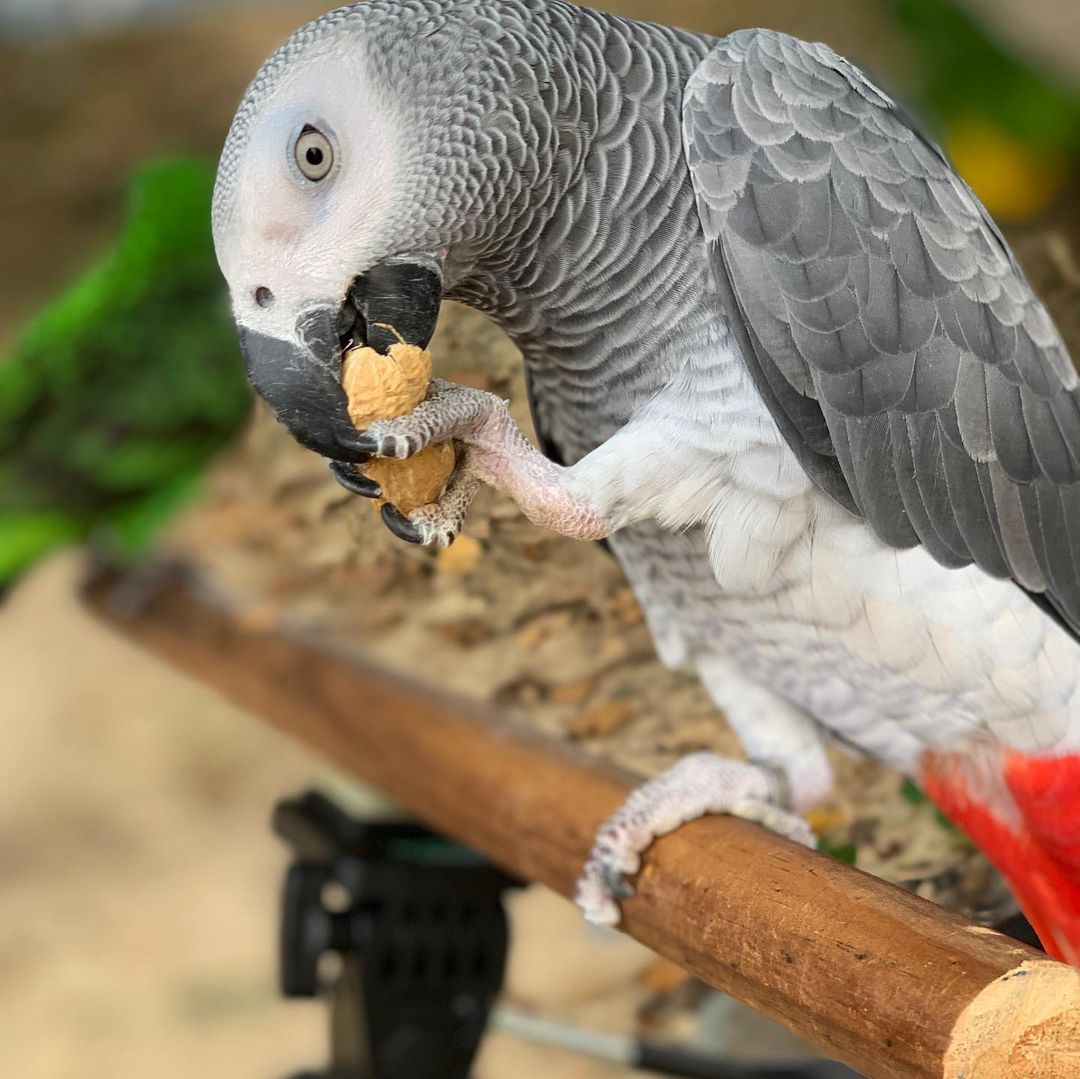
African Grey Parrots
Renowned for exceptional intellect, mimetic ability, and deep emotional bonds.
Explore Category →
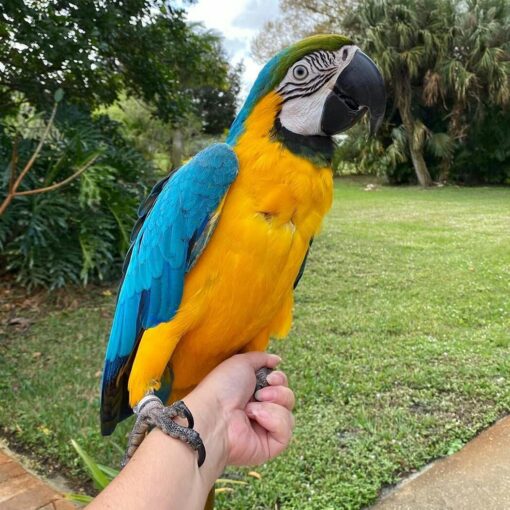
Macaw Parrots
Striking, vibrant companions known for playful behaviors and majestic presence.
Explore Category →
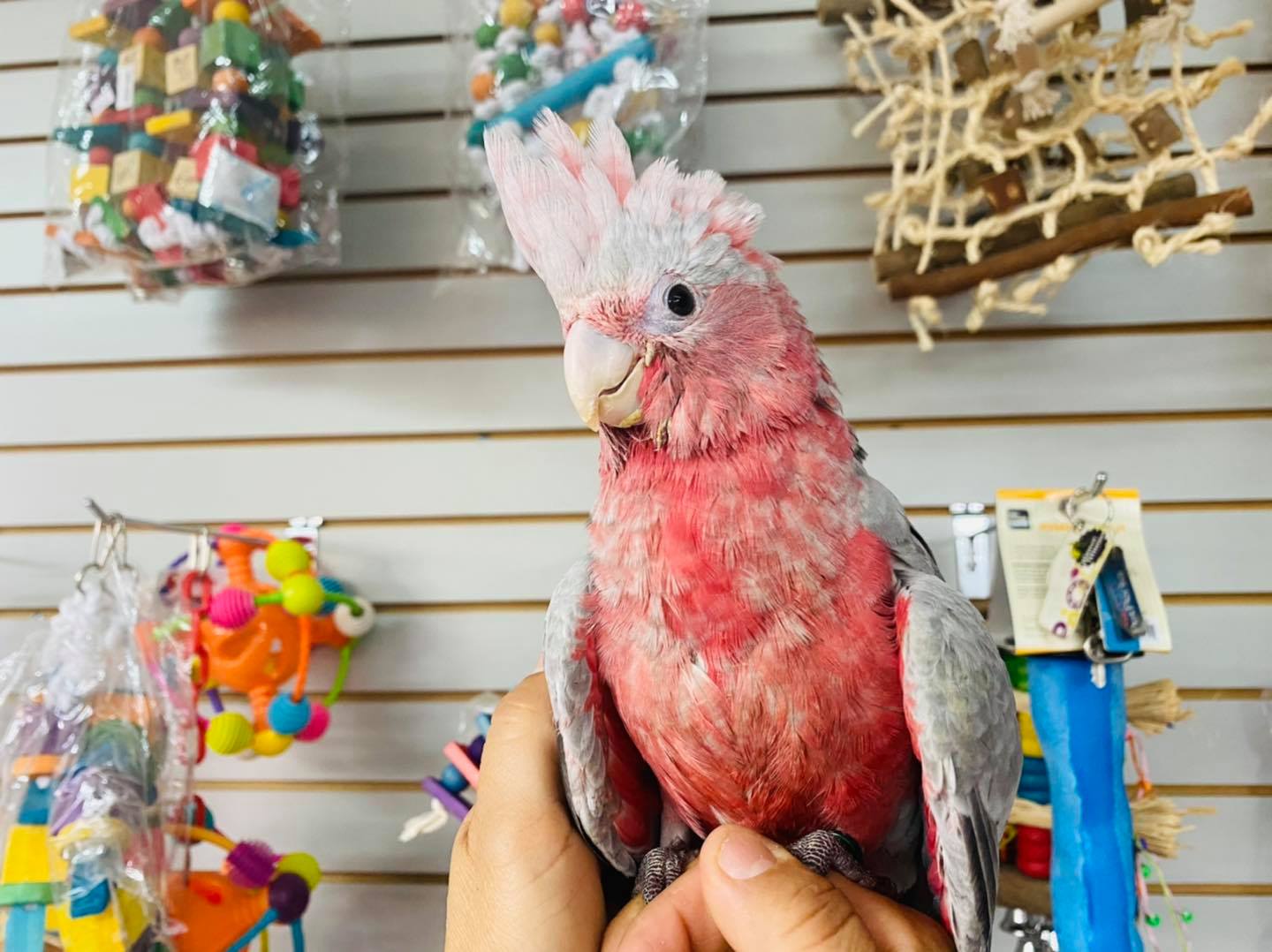
Cockatoo Parrots
Highly affectionate and expressive birds with distinctive crests and social nature.
Explore Category →
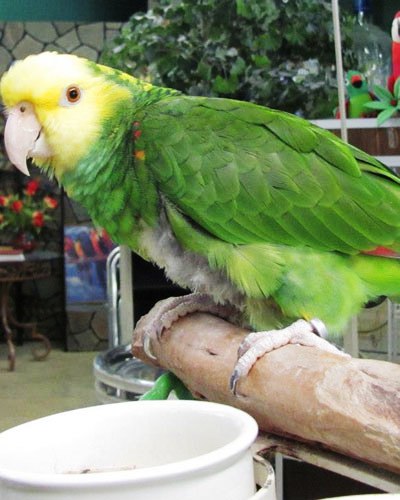
Amazon Parrots
Outgoing, vocal, and entertaining companions with bright plumage accents.
Explore Category →
Understanding Fertile Parrot Eggs
Successful incubation begins with understanding fertile egg development, environmental controls, and handling protocols required during early embryonic stages.
- Optimal Temperature & Humidity: Maintaining precise humidity levels and consistent turning schedules inside high-caliber incubators.
- Candling & Viability Monitoring: Non-invasive light inspection techniques to track vein development and air cell growth progression.
- Safe Handling Protocols: Specialized protective packaging and thermal insulation designed to preserve viability during transport.
Parrot Egg Incubation & Care Guidelines
Successful embryonic development requires meticulous control over environmental parameters. Explore key standards for incubating fertile parrot eggs safely.
Temperature & Humidity
Maintain steady cabinet temperatures between 99.0°F and 99.5°F (37.2°C – 37.5°C) with relative humidity adjusted specifically per species target weight loss.
Rotation & Turning
Automatic turning every 1 to 2 hours preserves embryo position and prevents membrane sticking until the final lockdown phase prior to pip.
Hatching & Brooding
Increase relative humidity during internal pip, cease turning, and prepare pre-warmed brooding quarters with clean hygiene controls.
Navigating the Parrot Breeding Season
Breeding success relies on synchronizing natural environmental triggers with proper nutrition and nesting provisions. Understanding seasonal cycles helps ensure healthy clutch outcomes.
- Photoperiod & Environment: Gradual light extension and controlled room humidity simulate natural tropical spring conditions.
- Nesting Site Preparation: Installing species-appropriate wooden nest boxes lined with non-toxic, clean wood shavings prior to pair bonding.
- Nutritional Enrichment: Increasing high-protein, calcium-rich diets and fresh greens to support egg production and parental stamina.
Responsible Breeding & Regulatory Guidance
Adhering to legal guidelines and animal welfare principles is essential for preserving parrot species and ensuring responsible lifelong ownership.
Permits & CITES Compliance
Understand international CITES classifications and regional wildlife transfer permits required for certain endangered or restricted parrot species.
Banding & Microchipping
Proper closed-leg seamless rings and microchip identification track bird lineage, origin transparency, and leg rings for parentage verification.
Lifelong Care Commitments
Ethical breeding requires guaranteeing proper enrichment, large flight spaces, complete nutrition, and lifelong care support for offspring.
Frequently Asked Questions
Find answers regarding fertile egg handling, incubation parameters, live parrot orders, and aviculture standards.
How are fertile parrot eggs safely packaged and shipped?
Fertile eggs are secured in custom foam-insulated containers equipped with thermal protection materials. Packaging is designed to absorb shock and minimize temperature fluctuations during rapid transit.
What basic incubator settings are recommended upon egg arrival?
Eggs should be rested upright (air-cell up) at room temperature for several hours prior to incubation. Most parrot species require forced-air temperatures around 99.0°F–99.5°F with species-specific relative humidity tracking.
Are live parrots health-checked and closed-ring banded?
Yes. All hand-reared and adult parrots are fitted with seamless closed leg bands for identification and undergo standard health checks and diet weaning prior to listing.
How do WooCommerce checkout and shipping options work?
You can select your desired items directly from our online shop and complete checkout securely. Once placed, your order is prepared following strict handling schedules.
Start Your Aviculture Journey
Ready to Find Your Companion or Expand Your Hatchery Knowledge?
Explore our active inventory of fertile parrot eggs and live birds, or dive into our detailed breeding and incubation guides.